
Understanding Remote Appointment Setters in Modern Sales Operations
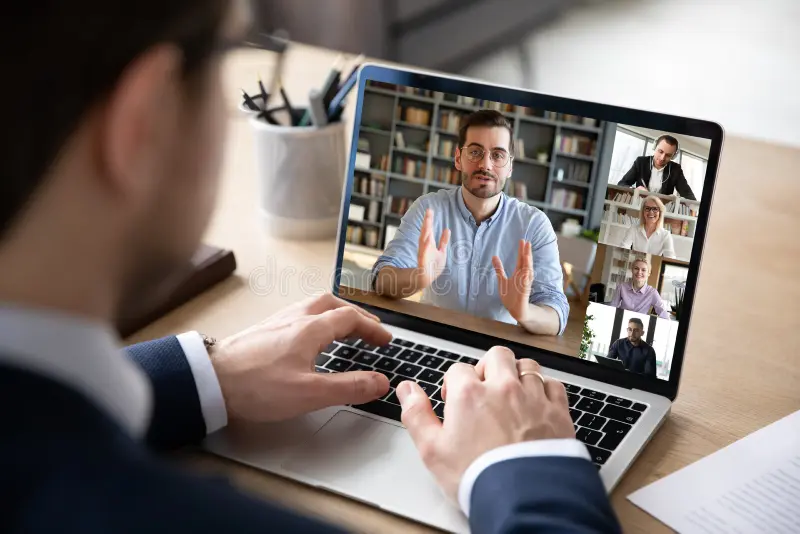
Remote appointment setters are becoming a core part of how modern sales teams operate in competitive global markets. These professionals focus on initiating contact with prospects and securing meetings for closers or account executives. Instead of working in traditional office environments, they operate from remote locations while using digital tools to engage leads. The role of remote appointment setters has expanded significantly as businesses shift toward distributed teams and cloud-based systems. Companies now rely on them to maintain consistent pipeline activity across multiple time zones and regions. Their importance continues to grow as organizations prioritize efficiency and scalable sales systems. This role is especially valuable for companies operating in the USA, UK, Canada, Australia, UAE, and Singapore where demand for qualified leads is highly competitive.
Remote appointment setters act as the bridge between marketing efforts and final sales conversations. They ensure that leads generated through advertising or inbound channels are properly engaged and qualified. Without them, many businesses would struggle to convert interest into structured sales opportunities. Their work directly influences how efficiently a company moves prospects through the sales funnel. Because they operate remotely, businesses gain access to global talent without geographical restrictions. This flexibility allows companies to build high-performing teams at reduced operational costs. The increasing reliance on remote appointment setters highlights the shift toward digital-first sales ecosystems.
Key functions in modern sales environments
-
Engaging potential customers through calls, email, or social platforms
-
Filtering unqualified leads before passing them to sales executives
-
Booking appointments and managing calendars for sales teams
-
Updating CRM systems with accurate lead information
-
Supporting pipeline development through structured outreach
These responsibilities ensure that sales teams focus more on closing deals rather than spending time on early-stage prospecting. Remote appointment setters help maintain consistency in lead engagement, which is essential for predictable revenue growth.
Core Responsibilities of Remote Appointment Setters
The responsibilities of remote appointment setters extend far beyond basic scheduling tasks. They play a critical role in maintaining communication between businesses and potential clients. Their daily activities are structured around outreach, qualification, and coordination. Each interaction they handle contributes to improving the efficiency of the overall sales process. Businesses rely on them to ensure that only high-quality prospects reach senior sales representatives. This improves conversion rates and reduces wasted time across teams. Their responsibilities also vary depending on industry and sales complexity.
A typical day for remote appointment setters involves handling multiple communication channels simultaneously. They must manage cold outreach, follow-ups, and calendar bookings in a structured manner. Strong organizational skills are required to avoid missed opportunities and scheduling conflicts. Many companies also expect them to track engagement metrics and report performance data. This helps leadership teams refine sales strategies and outreach methods. Their role is essential in maintaining momentum within fast-moving sales pipelines.
Core daily responsibilities include
-
Conducting outbound calls to potential leads
-
Sending personalized email outreach messages
-
Qualifying prospects based on business criteria
-
Scheduling meetings with decision-makers
-
Managing CRM updates and data accuracy
-
Following up on previous interactions
-
Coordinating across time zones for global clients
These responsibilities make remote appointment setters an essential part of scalable sales operations. Their structured approach ensures that no lead is left unattended, improving overall efficiency.
Why Businesses Are Adopting Remote Appointment Setters
The demand for remote appointment setters has increased as companies look for cost-effective and scalable sales solutions. Businesses are no longer restricted to hiring locally, which opens access to a global workforce. This shift allows organizations to build specialized teams without increasing overhead costs. Remote appointment setters offer flexibility that traditional in-house teams often cannot match. Companies benefit from faster deployment and improved adaptability in changing markets. Their role also supports businesses that need to expand quickly without compromising quality.
One of the strongest reasons for adoption is operational efficiency. Remote appointment setters allow sales teams to focus exclusively on closing deals. This separation of roles increases productivity and reduces burnout among senior sales staff. Additionally, businesses can scale their outreach efforts without investing heavily in infrastructure. The remote model also supports continuous operations across different time zones, enabling 24/7 lead engagement.
Key advantages driving adoption
-
Lower operational and hiring costs
-
Access to global talent pools
-
Faster scaling of sales operations
-
Increased lead response speed
-
Improved focus for closing teams
-
Flexible workforce management
These benefits make remote appointment setters an essential asset for modern businesses aiming to scale efficiently.
Key Industries Utilizing Remote Appointment Setters
Remote appointment setters are used across a wide range of industries where lead generation and structured sales processes are essential. Their adaptability makes them suitable for both B2B and service-based companies. Many industries rely on them to manage high volumes of incoming and outgoing leads. Their ability to handle repetitive outreach tasks allows internal teams to focus on strategic activities. As digital transformation continues, more industries are adopting remote appointment setting models. This trend is especially visible in high-growth sectors.
Industries that benefit most include SaaS companies, financial services, and real estate firms. These sectors require consistent pipeline generation and qualified meetings. Remote appointment setters help maintain steady communication with prospects, which improves conversion opportunities. Their presence is also growing in consulting, healthcare, and education industries. These businesses depend on structured appointment setting to connect with potential clients effectively.
Common industries using remote appointment setters
-
SaaS and software companies
-
Real estate and property investment firms
-
Financial services and insurance providers
-
Digital marketing agencies
-
Healthcare and telehealth platforms
-
Coaching and online education businesses
-
B2B service providers
Each industry benefits from improved lead management and increased sales efficiency through remote appointment setters.
Skills and Attributes of High-Performing Remote Appointment Setters
Successful remote appointment setters possess a combination of communication, technical, and organizational skills. Their ability to engage prospects effectively determines their performance. Strong verbal communication is essential for handling outbound calls and overcoming objections. They must also be comfortable working independently in remote environments. Time management plays a crucial role in maintaining productivity across different time zones. Emotional intelligence helps them understand prospect needs and respond appropriately. These skills collectively contribute to higher booking rates and better sales outcomes.
Remote appointment setters must also be adaptable to different industries and sales styles. Each company may require unique messaging and outreach strategies. The ability to quickly learn new products and services is essential. Familiarity with CRM systems and sales tools enhances their efficiency. Resilience is also important, as rejection is a common part of outbound sales work. High performers consistently refine their approach based on feedback and performance data.
Essential skills include
-
Strong communication and persuasion abilities
-
CRM and sales tool proficiency
-
Time management and discipline
-
Emotional intelligence and active listening
-
Adaptability to different markets
-
Resilience under pressure
These attributes ensure remote appointment setters remain effective in dynamic sales environments.
Technology Stack Supporting Remote Appointment Setters
Technology plays a major role in enabling remote appointment setters to perform effectively. Without digital tools, managing global sales operations would be difficult. CRM systems allow them to track leads and manage pipelines efficiently. Communication tools support real-time collaboration with sales teams. Automation platforms help streamline repetitive tasks, improving productivity. The integration of technology ensures consistency across all outreach activities. Businesses rely on these systems to maintain structured sales processes.
Remote appointment setters use a combination of tools to optimize performance. These tools help reduce manual workload and improve accuracy. Many companies also use AI-powered platforms to analyze call performance and lead behavior. This data-driven approach improves decision-making and targeting strategies. Scheduling tools help eliminate conflicts and ensure smooth meeting coordination. Together, these technologies create a seamless remote sales environment.
Common tools used
-
CRM platforms for lead tracking
-
VoIP systems for global calling
-
Email automation software
-
Calendar scheduling tools
-
Sales engagement platforms
-
Data enrichment tools
-
AI analytics systems
These tools empower remote appointment setters to operate efficiently at scale.
How Remote Appointment Setters Improve Sales Conversion Rates
Remote appointment setters directly influence conversion rates by improving lead quality and engagement speed. Faster response times increase the likelihood of booking qualified meetings. Their structured outreach ensures that prospects are consistently followed up with. This reduces the chances of losing potential deals due to delays. They also improve communication consistency across the sales funnel. Businesses benefit from more organized and predictable sales pipelines.
Their role ensures that sales teams only engage with pre-qualified leads. This allows closers to focus on high-value conversations. As a result, conversion efficiency increases significantly. Remote appointment setters also help refine messaging through continuous feedback loops. This improves overall outreach effectiveness and customer engagement quality.
Impact on conversion performance
-
Faster lead response times
-
Improved qualification accuracy
-
Higher booking rates
-
Better pipeline consistency
-
Reduced sales team workload
These improvements contribute to stronger revenue performance and predictable growth.
Building and Managing a Remote Appointment Setting Team
Building an effective team of remote appointment setters requires structured hiring and management systems. Companies must identify candidates with strong communication and organizational skills. Proper onboarding ensures consistency in messaging and processes. Training programs are essential for aligning setters with business goals. Performance tracking helps maintain accountability and continuous improvement. Managing remote teams requires clear communication and defined expectations.
Leadership plays a crucial role in maintaining team performance. Regular feedback sessions help improve skills and productivity. Time zone differences must be managed effectively to ensure coverage. Many companies use performance dashboards to monitor KPIs. Motivation and engagement strategies are also important for long-term success.
Key management practices
-
Structured onboarding programs
-
Continuous training and coaching
-
KPI-based performance tracking
-
Clear communication systems
-
Time zone coordination strategies
These practices ensure remote appointment setters remain productive and aligned with business goals.
Outsourcing vs In-House Remote Appointment Setters
Businesses often choose between outsourcing or building in-house teams for remote appointment setters. Each model offers distinct advantages depending on company goals. Outsourcing provides immediate access to trained professionals and faster scalability. In-house teams offer greater control over processes and culture. The decision depends on budget, growth stage, and operational complexity. Many companies adopt hybrid models to balance both approaches.
Outsourcing is often preferred for rapid expansion and cost efficiency. In-house teams are better suited for long-term strategic control. Both models can deliver strong results when managed properly. The key is aligning the structure with business objectives. Flexibility remains a major advantage of both approaches.
Comparison points
-
Cost efficiency vs control
-
Speed of scaling
-
Training requirements
-
Operational flexibility
-
Long-term scalability
Each model supports different business needs in unique ways.
Common Challenges in Remote Appointment Setting and Practical Solutions
Remote appointment setters face several challenges in daily operations. Communication barriers can occur in distributed teams. Time zone differences may create scheduling difficulties. Maintaining consistent lead quality is another common issue. Remote environments also require strong self-discipline. Burnout can occur without proper workload management. Data accuracy is essential but often overlooked.
Businesses must implement structured systems to overcome these challenges. Clear communication frameworks help reduce misunderstandings. Automated scheduling tools solve time zone issues. Regular training improves performance consistency. Monitoring systems ensure data accuracy across CRM platforms.
Common challenges
-
Communication gaps
-
Time zone coordination
-
Lead quality inconsistency
-
Data management issues
-
Workload imbalance
Addressing these challenges improves overall team effectiveness.
Sales Funnel Optimization Through Remote Appointment Setters
Remote appointment setters play a critical role in optimizing sales funnels. They ensure that top-of-funnel leads are properly engaged and qualified. This improves the flow of prospects through each stage of the pipeline. Their structured outreach reduces drop-off rates significantly. Marketing and sales alignment also improves through their efforts. This creates a more efficient and predictable revenue system.
They help identify weak points in the funnel through feedback and data analysis. This allows businesses to refine messaging and targeting strategies. Improved qualification processes reduce wasted sales effort. Their role ensures smoother transitions between funnel stages. This leads to higher conversion efficiency overall.
Global Market Opportunities for Remote Appointment Setters
Remote appointment setters are in high demand across global markets. Businesses in the USA, UK, Canada, Australia, UAE, and Singapore increasingly rely on remote sales support. These regions require scalable and cost-efficient sales solutions. Remote teams allow companies to operate across multiple time zones. This ensures continuous lead engagement and improved sales coverage. Global adoption continues to expand rapidly.
Our services are available globally, including these key markets and beyond. Companies benefit from access to trained professionals regardless of location. This global model supports international expansion strategies. It also enables businesses to test new markets efficiently. Remote appointment setters play a key role in global sales scalability.
Compliance, Communication Standards, and Data Handling
Compliance is essential when working with remote appointment setters across different regions. Businesses must follow data protection regulations in each market. Communication standards ensure professionalism and consistency. Ethical outreach practices help maintain brand reputation. Data security is critical when handling customer information. Companies must implement strict protocols to protect sensitive data.
Standardized messaging ensures clarity across all outreach efforts. However, cultural adaptation is also important for global markets. Compliance systems help reduce legal and operational risks. Monitoring tools ensure adherence to regulations. Proper training reinforces ethical communication practices.
Cost Efficiency and Revenue Impact of Remote Appointment Setters
Remote appointment setters provide significant cost advantages compared to traditional sales teams. Businesses reduce expenses related to office space and infrastructure. Hiring globally also allows access to more affordable talent markets. This leads to lower cost per appointment. Revenue impact is improved through faster pipeline generation. Sales teams become more productive and focused.
Their contribution directly influences revenue growth. More qualified meetings lead to higher closing rates. Efficient pipelines result in predictable income streams. Companies can scale operations without proportional cost increases. This creates strong long-term financial benefits.
Future Landscape of Remote Appointment Setters in Sales Development
The future of remote appointment setters is closely tied to automation and AI integration. Sales tools will continue to evolve and enhance productivity. Hybrid systems combining human and AI workflows will become standard. Personalization in outreach will become more advanced. Global remote teams will continue expanding across industries. Data-driven strategies will dominate sales development practices.
Remote appointment setters will remain essential despite automation advances. Human communication is still critical for building trust. Their role will evolve toward higher-level engagement tasks. Companies will increasingly rely on them for strategic outreach. The profession will continue adapting to new technologies.
FAQ
What do remote appointment setters do?
They contact prospects, qualify leads, and schedule meetings for sales teams.
Are remote appointment setters effective for B2B sales?
Yes, they are highly effective in improving lead quality and conversion rates.
What industries use remote appointment setters most?
SaaS, real estate, finance, marketing, healthcare, and consulting industries.
Do remote appointment setters work across time zones?
Yes, they are often distributed globally to ensure 24/7 coverage.
Is outsourcing remote appointment setters cost-effective?
Yes, outsourcing reduces costs while improving scalability and flexibility.
Takeaway
Remote appointment setters are a powerful asset for businesses aiming to scale sales operations efficiently across global markets.