
What Remote Sales Closers Are and Why They Matter in Modern Sales
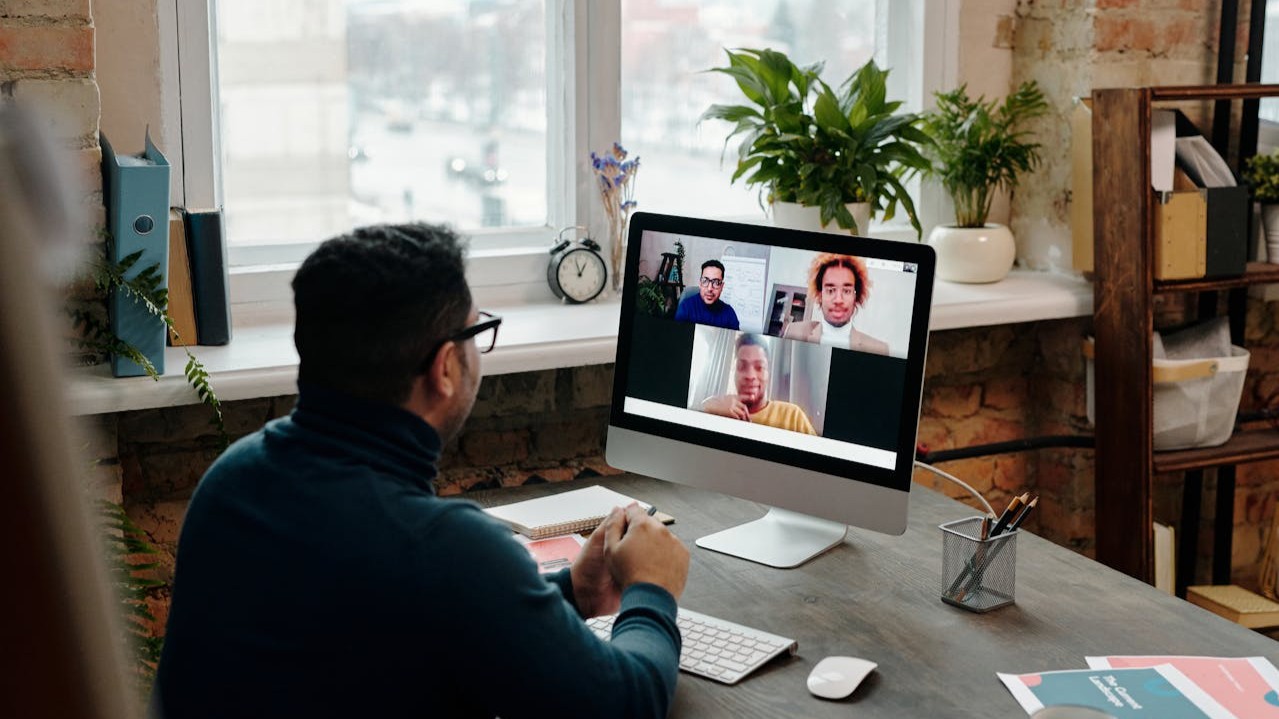
Remote sales closers are specialized professionals who focus on converting qualified leads into paying customers through virtual communication channels. They operate entirely online using tools such as video conferencing, phone systems, email, and CRM platforms. Their main responsibility is to finalize deals after prospects have already shown interest in a product or service. This makes them different from general sales representatives who often handle prospecting and early-stage lead generation. Remote sales closers are especially valuable in today’s global digital economy where businesses are no longer limited by geography. Companies across industries rely on them to increase revenue without needing physical office interactions. Their role has become even more important as businesses expand into international markets such as the USA, UK, Canada, Australia, UAE, and Singapore.
The demand for remote sales closers continues to grow as more companies adopt remote-first business models. Businesses want professionals who can handle conversations with confidence and guide prospects toward purchasing decisions. These closers are trained to understand buyer psychology and adapt communication styles based on client behavior. They often work with high-ticket offers, subscription services, or complex B2B solutions. Because of this, their ability to build trust quickly is essential. Remote sales closers also help companies reduce operational costs while increasing conversion rates. This combination makes them a core part of modern revenue teams.
Core Responsibilities of Remote Sales Closers in Revenue Generation
Remote sales closers handle the most critical stage of the sales pipeline, which directly impacts revenue generation. Their work begins after marketing or lead generation teams deliver qualified prospects. They then take responsibility for nurturing these leads through structured conversations. These professionals must understand customer needs deeply and present tailored solutions that match those needs. Every interaction is designed to move the prospect closer to a final decision. Their role requires both persuasion and emotional intelligence.
In daily operations, remote sales closers manage multiple tasks that require organization and discipline. They often juggle different clients across various time zones, especially when working with global businesses. They must maintain detailed CRM records to ensure pipeline visibility and accurate forecasting. Strong follow-up skills are also essential because many deals require multiple touchpoints before closing. They are responsible for handling objections, answering questions, and removing barriers to purchase. This requires confidence, product knowledge, and strategic communication. Without these responsibilities being handled effectively, companies risk losing high-value deals.
Key responsibilities include
-
Engaging qualified leads through calls and video meetings
-
Understanding customer needs and identifying pain points
-
Presenting personalized product or service solutions
-
Handling objections and overcoming hesitation
-
Closing deals and securing payments or commitments
-
Updating CRM systems with accurate sales data
-
Coordinating onboarding with internal teams
Each of these tasks contributes directly to improving conversion rates and revenue consistency.
Skills That Define High-Performing Remote Sales Closers
Success in remote sales closing requires a unique combination of communication skills, emotional awareness, and strategic thinking. These professionals must be able to build trust quickly, even without face-to-face interaction. Their ability to listen actively and respond appropriately plays a major role in closing deals. Many of them rely on structured sales frameworks, but adaptability remains equally important. They must understand when to follow a script and when to improvise based on client behavior.
Strong negotiation skills are also essential for handling pricing discussions and objections. Remote sales closers must remain calm under pressure and guide conversations toward positive outcomes. Emotional intelligence helps them read tone, hesitation, and interest levels during calls. Time management becomes critical when working across multiple clients and time zones. CRM proficiency ensures that no lead is lost or forgotten in the pipeline.
Essential skills for remote sales closers
-
Clear and persuasive communication
-
Active listening and empathy
-
Advanced objection handling techniques
-
Strong negotiation and persuasion ability
-
Time management across global schedules
-
CRM and sales software proficiency
-
Emotional intelligence in client interactions
These skills allow remote sales closers to consistently perform at high levels in competitive industries.
Tools and Technology That Support Remote Sales Closers
Remote sales closers rely heavily on digital tools to manage their workflow and maximize efficiency. Without these tools, handling global clients and large pipelines would be extremely difficult. Technology helps them automate repetitive tasks, track performance, and maintain communication consistency. Most companies provide a structured tech stack to support their sales teams. These systems also allow managers to monitor performance and optimize strategies.
CRM platforms play a central role in tracking leads and managing sales pipelines. Video conferencing tools allow closers to conduct face-to-face meetings without physical presence. Email automation systems help maintain consistent follow-ups with prospects. Dialers and VoIP systems improve call efficiency and outreach capabilities. Analytics dashboards provide insights into conversion rates and performance trends. Scheduling tools ensure smooth coordination across different time zones.
Common tools used by remote sales closers
-
CRM systems like Salesforce and HubSpot
-
Video conferencing platforms such as Zoom or Google Meet
-
VoIP calling systems for outbound communication
-
Email automation tools for follow-ups
-
Calendar scheduling software for appointments
-
Sales analytics dashboards for performance tracking
These tools work together to create a structured and efficient remote sales environment.
Industries Actively Hiring Remote Sales Closers Worldwide
Remote sales closers are in high demand across multiple industries due to the shift toward digital operations. Companies in technology, education, and consulting rely heavily on skilled closers to convert leads into revenue. The SaaS industry is one of the biggest employers because subscription-based models depend on consistent conversions. Online coaching and education platforms also require strong closing skills to sell high-ticket programs. Digital marketing agencies often hire remote closers to convert inbound leads into long-term clients.
Financial services and investment firms use remote closers to explain complex offerings and build trust with clients. E-commerce businesses also benefit from conversion-focused sales professionals. Health and wellness coaching programs rely on emotional connection and persuasion to close deals. Across global markets such as the USA, UK, Canada, Australia, UAE, and Singapore, demand continues to grow. Companies prefer remote closers because they can operate across time zones and expand global reach efficiently.
Benefits of Hiring Remote Sales Closers for Businesses
Businesses gain significant advantages when hiring remote sales closers instead of traditional in-house teams. One of the biggest benefits is reduced overhead costs since there is no need for physical office space. Companies also gain access to a global talent pool, allowing them to hire the best performers regardless of location. Remote closers improve scalability because businesses can expand or reduce teams based on demand. Faster response times to inbound leads also improve conversion rates significantly.
Another advantage is the ability to operate across multiple time zones without interruption. This ensures that leads are always followed up promptly, increasing the chances of closing deals. Remote sales closers also bring specialized expertise in handling objections and high-ticket sales. Their focused role ensures higher efficiency compared to general sales staff. Businesses that integrate remote closers into their systems often see improved revenue predictability and pipeline stability.
Career Opportunities and Growth for Remote Sales Closers
Working as a remote sales closer offers strong career growth potential for motivated individuals. Many professionals are attracted to this role because of its performance-based income structure. Earnings often include commissions that significantly increase total income potential. Some roles also offer base salaries combined with commission structures. This allows individuals to build stable yet scalable income streams.
Career progression can lead to senior sales roles, team leadership, or consulting positions. Many experienced closers eventually transition into sales coaching or agency ownership. The flexibility of remote work also allows professionals to work with multiple companies or clients. This creates opportunities for diversified income sources. Continuous skill development is essential for long-term success in this field.
Hiring, Training, and Performance Systems for Remote Sales Closers
Companies hiring remote sales closers follow structured processes to ensure quality candidates. The hiring process often includes interviews, role-play exercises, and communication assessments. Candidates are evaluated based on their ability to handle real sales scenarios. Experience is valuable, but many companies also train individuals with strong potential. Once hired, structured onboarding programs are implemented.
Training programs focus on product knowledge, sales scripts, and objection handling. Closers are also trained on CRM systems and internal workflows. Regular coaching sessions help improve performance over time. Companies set clear KPIs to track conversion rates and call effectiveness. Performance systems ensure accountability and continuous improvement across teams.
Challenges Faced by Remote Sales Closers and Practical Solutions
Remote sales closers face several challenges that require discipline and adaptability. One major challenge is managing communication across different time zones. This can affect scheduling and response times if not managed properly. Another challenge is maintaining motivation without in-person team interaction. Remote work requires strong self-discipline and structured routines.
Lead quality can also vary, which impacts conversion rates and performance consistency. Closers must learn to identify high-quality prospects quickly. Communication barriers may arise in virtual environments, requiring clarity and patience. Performance pressure is another factor since many roles are commission-based. These challenges can be managed through training, support systems, and consistent performance tracking.
Best Practices for High Performance in Remote Sales Closers
High-performing remote sales closers follow disciplined habits that improve their results consistently. They focus on structured communication while maintaining a natural conversational tone. Active listening is prioritized over excessive pitching. Follow-ups are handled strategically without overwhelming prospects. Call recordings are reviewed regularly to identify areas for improvement.
A structured daily routine helps maintain productivity and focus. Many top performers also track personal metrics beyond company KPIs. Relationship-building is prioritized over short-term gains. Personalization in communication increases trust and conversion rates. Continuous learning ensures they stay competitive in evolving markets.
Global Market Expansion and Future Direction of Remote Sales Closers
The role of remote sales closers continues to expand as businesses shift toward digital operations. Companies across the USA, UK, Canada, Australia, UAE, and Singapore are increasing their reliance on remote teams. Advances in AI and automation are enhancing lead qualification processes. This allows closers to focus more on high-value conversations. Remote-first companies are becoming more common across industries.
Future developments are expected to include smarter sales tools and improved analytics systems. AI-assisted communication tools will support closers in real time. Global hiring will continue to expand as businesses seek cost-effective revenue solutions. Remote sales closers will remain essential in high-ticket and complex sales environments. Their ability to connect, persuade, and convert will continue to drive business growth.
FAQ
What are remote sales closers responsible for
They are responsible for converting qualified leads into paying customers through virtual communication channels and structured sales processes.
Do remote sales closers need prior experience
Experience is helpful but not always required since many companies provide training for motivated candidates.
What industries hire remote sales closers the most
SaaS, coaching, digital marketing, finance, e-commerce, and consulting industries frequently hire them.
Can remote sales closers work globally
Yes, many companies hire internationally and allow closers to work across multiple time zones.
How do remote sales closers get paid
They are typically paid through commissions, base salary plus commission, or performance-based incentives.
Takeaway
Remote sales closers play a critical role in modern revenue generation by bridging the gap between interest and purchase decisions through virtual communication, structured sales strategies, and global accessibility.